We’ve all been there: You meet someone new, have a pleasant conversation, and then a few minutes later, their name has completely evaporated from your mind. It’s awkward, embarrassing, and makes future interactions feel a little strained. While some people seem to have a natural gift for remembering names, for the rest of us, it feels like a persistent challenge. But what if I told you that you could actually fix this with a simple, yet powerful, learning tool? Flashcards aren't just for exams anymore. They're a secret weapon for remembering names.
Why do we forget names so easily?
We forget names easily because our brains often don't properly encode or actively engage with the name during the initial meeting. When you first meet someone, you're usually juggling a lot of information: their appearance, their facial features, what they're saying, the context of the meeting, and trying to make a good impression. The name often gets lost in this cognitive shuffle, treated as less important than other details.
Think about it: most of us passively hear a name once, maybe twice, and then move on. This is a classic case of shallow processing. We don't form strong enough connections in our memory. Active recall is a learning method where you retrieve information from memory without prompts, and when it comes to names, we rarely apply it. We don’t actively try to retrieve the name until we need it again later, and by then, it's often too late. This passive approach is a big reason why names slip through our mental fingers. If you want to understand more about why passive review falls short, check out our post on passive review vs active recall: why one works and one does not.
How can flashcards help you remember names?
Flashcards help you remember names because they force you into active recall and integrate spaced repetition into your learning process. These two principles are incredibly effective for converting new information into long-term memory. Instead of passively hearing a name, a flashcard makes you actively retrieve it from scratch.
Each time you see a picture of the person on the front of a flashcard, your brain has to work to pull up their name. This effortful retrieval strengthens the neural pathways associated with that information. If you get it right, great! If not, seeing the answer on the back of the card immediately corrects your memory and reinforces the correct association. Over time, these repeated, active attempts at recall cement the name firmly in your memory. Flashcards also facilitate spaced repetition, which is a learning technique where you review material at increasing intervals based on how well you know it. This method optimizes your study time by showing you information you're about to forget, making sure you review it just when you need to. You can learn more about this powerful technique by reading our post on spaced repetition: why your brain needs it.
How do you create effective flashcards for names?
You create effective flashcards for names by combining a person's photo, their name, and a unique mnemonic or detail about them. The key is to make each flashcard rich with associative information that your brain can latch onto.
Here’s a step-by-step guide to making powerful name flashcards:
- Get a good photo: If you can, take a quick, clear photo of the person (with their permission, of course, or find one from a public source like a company website). A visual cue is incredibly important.
- Front of the card: Place the person's photo on the front. This is what you'll see first, prompting your brain to recall their name.
- Back of the card: This is where you put all the crucial information:
- Full Name: Clearly written.
- Pronunciation Guide: If their name is tricky, write out a phonetic guide.
- Key Detail/Association: What do you know about them? Their job, a shared interest, where you met them, a memorable anecdote. This context helps your brain connect the name to a real person.
- Mnemonic (Optional but powerful): Create a silly mental image or phrase that links their name to their face or a detail. For example, if you meet "David," and he tells you he loves diving, you might imagine "Diving David." The more outlandish, the better.
- Date Met (Optional): This can add another layer of recall if you need it.
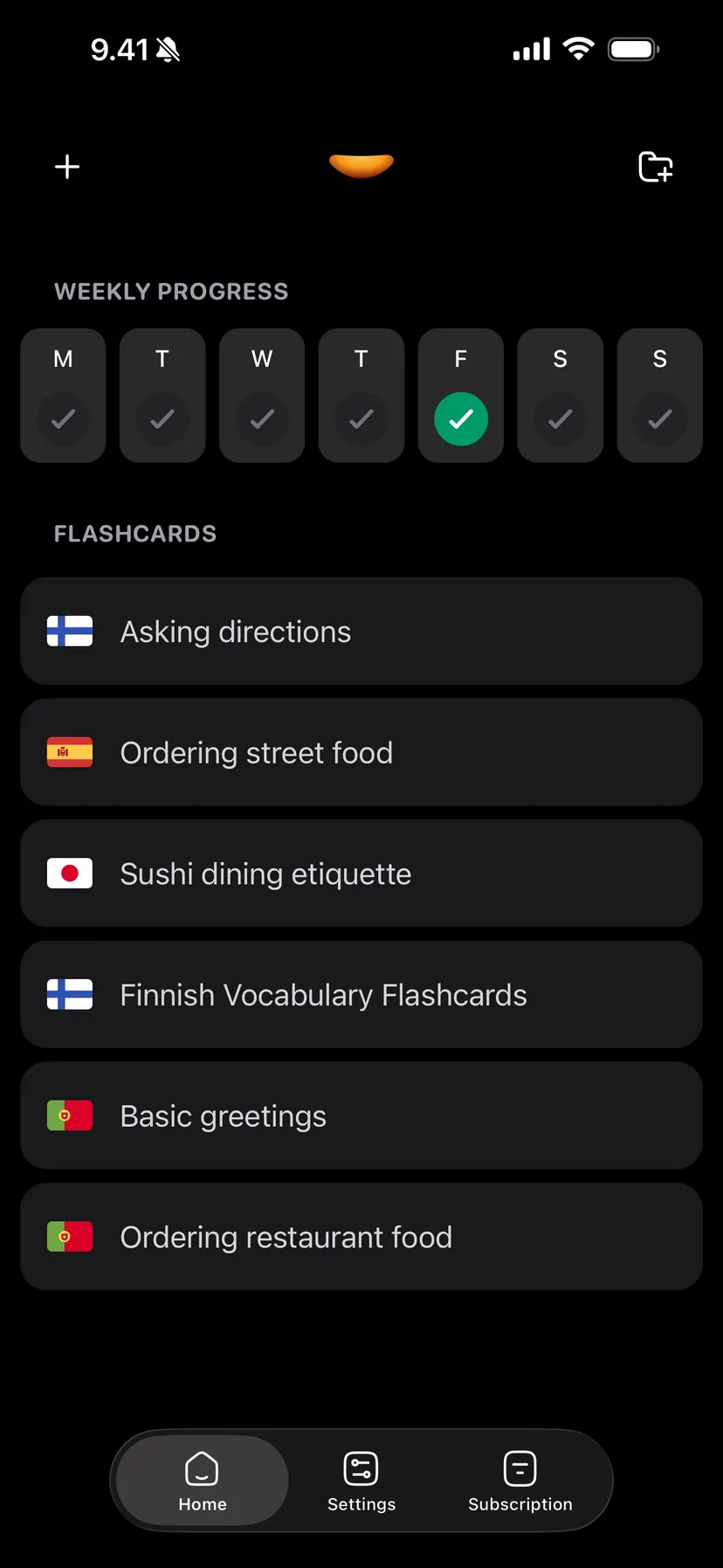
The most important rule for creating these flashcards? Do it as soon as possible after meeting the person. The fresher the information, the better your initial encoding will be. This is where an app like Vocabbie, an AI flashcard app for iOS and Android, really shines. You can quickly snap a photo, add the name and details, and start building your personalized name-learning deck on the go. For more general advice, check out our guide on how to make good flashcards.
What are some practical tips for using flashcards for names?
To truly master names with flashcards, you need to review consistently, integrate new names into your system quickly, and actively connect names to existing knowledge. Flashcards are a tool, and their effectiveness depends on how you use them.
Here are my best tips:
- Review daily, even for a few minutes: Consistency beats cramming every single time. A quick five-minute review session first thing in the morning or before bed can make a massive difference. Vocabbie’s spaced repetition algorithm will handle the scheduling, showing you the names you’re most likely to forget at precisely the right time.
- Don't just flip, actively recall: When you see the photo, don't immediately flip the card. Pause. Really try to pull the name from your memory. Imagine their voice, their handshake, the conversation you had. Only reveal the answer once you've made a genuine effort to remember.
- Say their name aloud: When you reveal the answer, say the name aloud. This engages another sensory input and further strengthens the memory. If you got it wrong, repeat the name a few times.
- Integrate new names immediately: Make it a habit. After a networking event or meeting new colleagues, dedicate 10-15 minutes to creating and adding new flashcards. The faster you create them, the stronger the initial memory trace.
- Connect to existing knowledge: When creating mnemonics, try to link the new name to something you already know. Does their name sound like a celebrity? Does their job remind you of a friend? These connections make the new information stick better.
Forgetting names doesn't have to be your default setting. With the targeted approach of flashcards, leveraging active recall and spaced repetition, you can transform your ability to remember names. It takes a little effort upfront to create those cards, but the confidence and stronger connections you'll build are absolutely worth it. Give it a try, and watch how much more connected you feel in your social and professional life.